
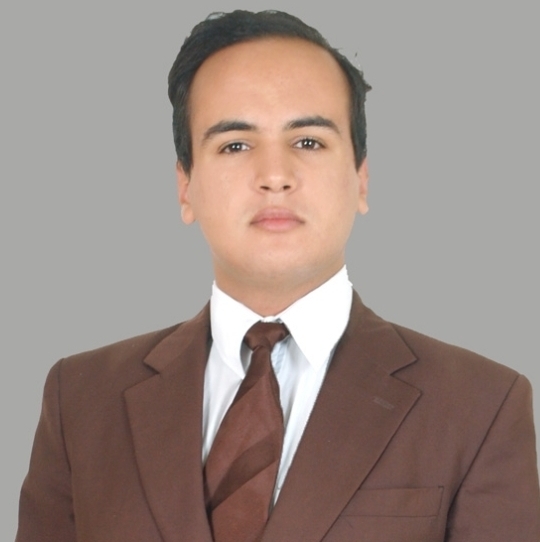
First, allow me to introduce myself. My name is Salah Eddine Doukkali, a 21-year-old Muslim Moroccan youth studying International Relations and Political Science. I was born in the city of Salé, grew up in Safi, and my family is originally from Essaouira. Currently, I study in Marrakech. Those cities, for me and all Moroccans, symbolize shared values of coexistence, where the stories of our Muslim and Jewish ancestors narrate a rich history of tolerance and harmonious living.
I grew up in an environment that believes Jewish Moroccans are an integral part of our national identity. This is enshrined in the preamble to the Moroccan Constitution of 2011, which acknowledges the country’s multicultural heritage, including its Jewish influences. I am not here to merely speak about the past but to focus on the present and the future.
Since childhood, I listened to my grandparents recount stories about their Jewish neighbors during winter nights. One particular story left a lasting impression on me. It was about their friend Isaac, who came to bid farewell to his Muslim friend, Haj Ali, on a cold winter night during the 1940s and 1950s, when some Jews began emigrating to Israel. With tears in his eyes, Isaac entrusted Haj Ali with his belongings, asking him to safeguard them. Such moments testify to the shared history and deep connection between Jewish and Muslim Moroccans.
Since my childhood, I have read about the suffering of Jews around the world, particularly during the Nazi regime, in the regional library of Safi, located near the shrine of Oulad Zmirou, who were among the honorable Jews. The people of Safi would turn to them for advice on judicial and scientific matters due to their wisdom and knowledge. This shrine, standing tall like a deeply rooted tree, shaped the foundation of my values and inspired my early reflections on rejecting hatred. Why should we hate? What purpose does hatred serve other than its own proliferation?
These stories made me reflect on the importance of combating hatred. Why hate when we can build bridges of understanding? To this end, I initiated various projects, such as « Dar Darkom » (« Make yourself at home »), through which I organized awareness campaigns to educate Moroccan youth about their country’s history and the values of coexistence between Jews and Muslims. I have also organized meetings with Moroccan Jews and aspire to arrange international visits to expand this message.
Moroccan Jews have proved essential in their dedication to the modern cause of Jewish-Muslim peacebuilding, just as they have historically advanced Morocco’s transition to a world power. In the mid-1700s, when Sultan Mohammed III ascended the Moroccan throne, Jewish representatives were appointed as “Merchants of the Sultan” to administer financial activities in the port of Essaouira. Today, it is an Essaouiran Jew, André Azoulay, who ranks among the most senior royal advisors.
Outside of Morocco, our Jewish communities continue to celebrate their unique and valuable heritage. Aurele Tobelem, a British student and activist whose family origins can be traced to Tangier, Tetouan, and Essaouira, has previously written about the need to promote Morocco’s model of coexistence in modern peacebuilding efforts. He underlines the Moroccan Mimouna as a timeless model for how interfaith and intercultural understanding, supported by education, can bridge divides and contribute to peacebuilding efforts, particularly within the framework of the Abraham Accords, according to the young man himself.
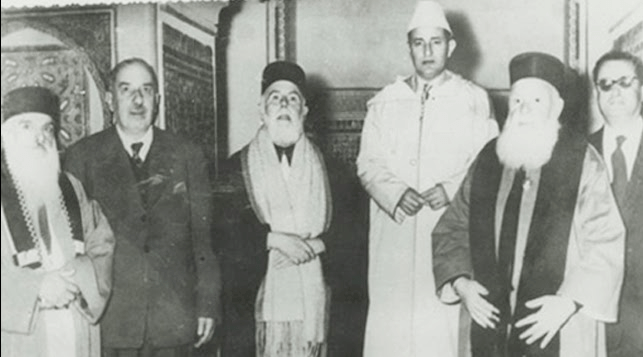
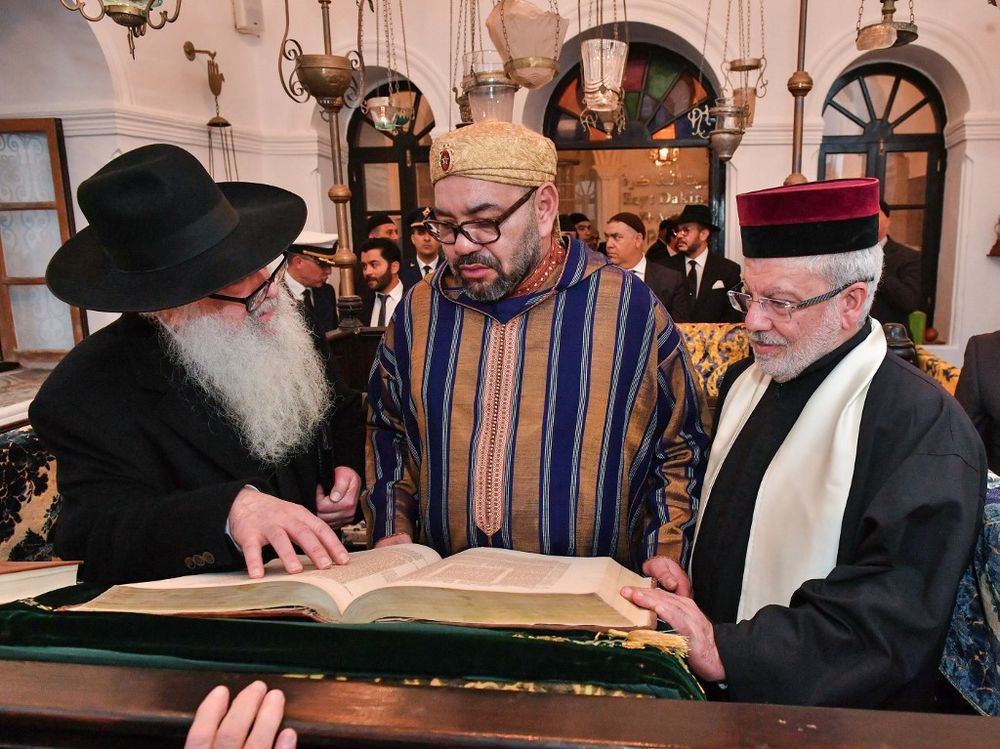
The policies of Morocco’s Alaouite kings have always been a source of inspiration for me. For example, when the Vichy government demanded the deportation of Jews during World War II, King Mohammed V declared, « I am not only the King of Muslims but the King of all Moroccans. » Similarly, King Hassan II emphasized that when a Moroccan Jew emigrates, Morocco does not lose them but gains an ambassador. Under the reign of King Mohammed VI, these principles have continued, as he has overseen the restoration of Jewish neighborhoods, synagogues, and schools, while also introducing the teaching of Jewish Moroccan history in school curricula.
Morocco stands as the only country in the Arab world that respects its cultural and religious diversity and actively preserves its Jewish heritage. King Mohammed VI has worked tirelessly to strengthen the bonds between Morocco and its Jews around the world. Moreover, Moroccan Jews continue to hold significant positions in government, such as André Azoulay, an advisor to the King.
Through these initiatives and activities, I firmly believe that « differences should not breed division. » Humanity must strive to live in peace and security, with collaboration being the key to progress, regardless of religion or belief. The more we cultivate a culture of tolerance and coexistence, the stronger and more advanced our societies will become.
When we speak of great minds like Einstein or Ibn Rochd, we realize that cultural and religious diversity enriches humanity. We should celebrate this diversity and build bridges that foster global understanding, aiming to improve life for future generations.
I am committed to developing and promoting this message further, and I look forward to continuing my efforts to spread it globally and aspire to achieve a world full of peace and tolerance.
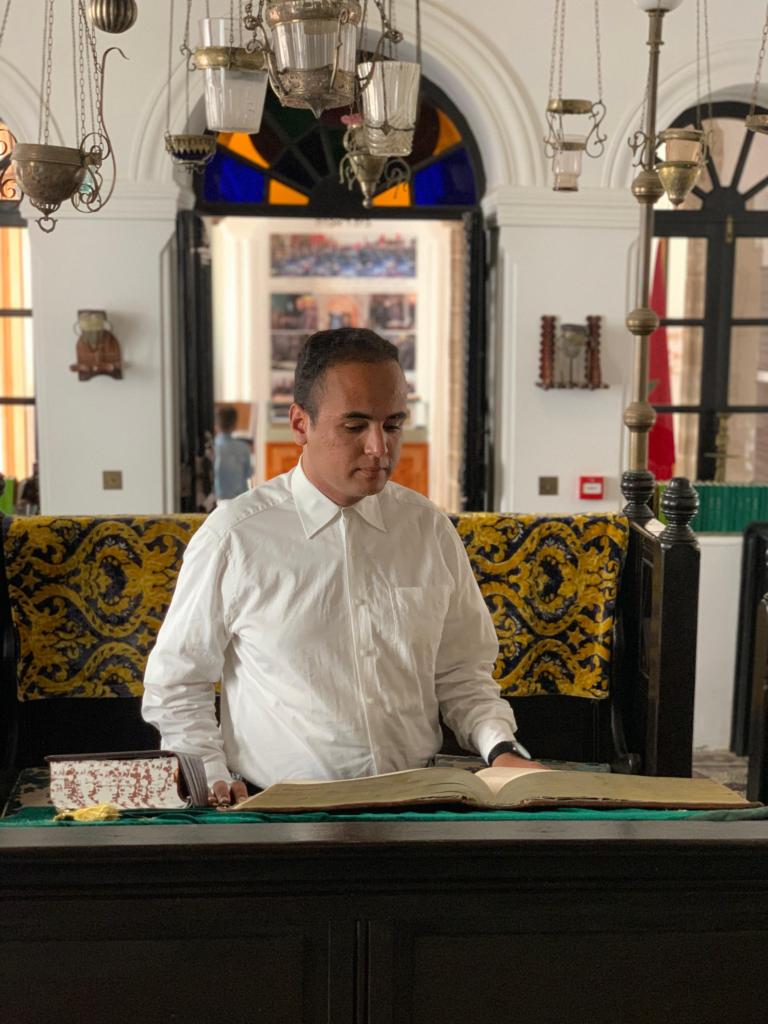
 Salah Eddine Doukkali
Laisser un commentaire